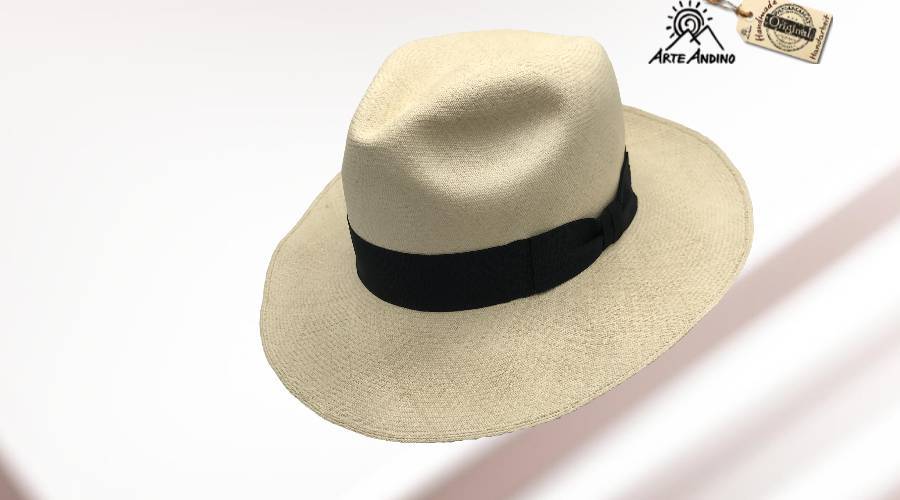
A hat for the true connoisseur – the famous original, the Panama hat and the false name?
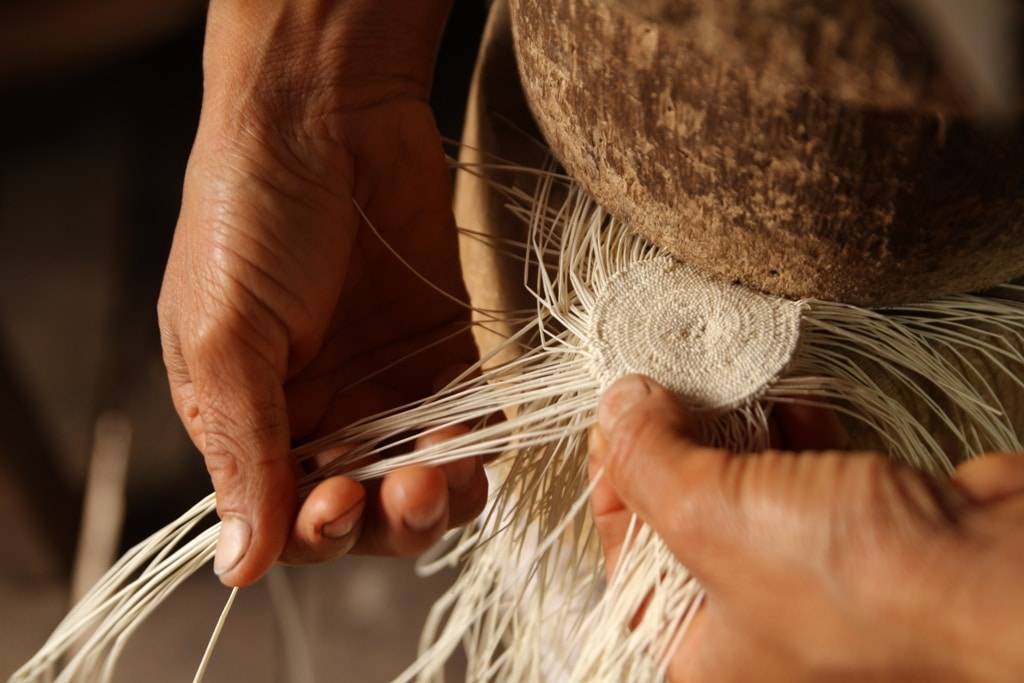
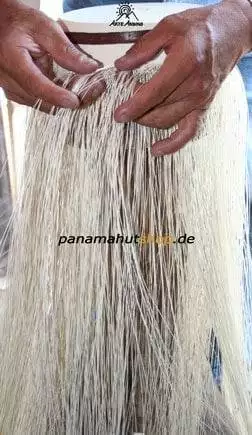
Ursprünglich wird der edle Hut seit 1630 in Montecristi, Provinz Manabi – Ecuador hergestellt. Ein wahres Wunder an manueller Fingerfertigkeit, geflochten aus feinen Fasern einer speziellen Palmenart, genannt “Paja Toquilla”.
Where does the Panama hat actually come from?
The truth is: Contrary to rumors, Ecuador is the only true home of airy, light and supple headwear. It is made from the Toquilla palm, and that is endemic, meaning: it only grows on the west coast of the Andean state. In the villages around the town Montecristi, 200 kilometers north of the port city of Guayaquil, the most famous hats in the world have been woven from the fibers of the palm tree for more than 300 years.
The Panama hat became famous through its shipping to Europe, the 1880 World Exhibition in Paris and its sale to gold prospectors on their way to North America.
The name "Panama" comes from the construction of the Panama Canal. At that time, traders from Ecuador sold their hats in Panama, primarily to the canal workers. They wore the airy and light shade to help them endure the sweltering heat.
While visiting the construction of the Panama Canal in November 1906, American President Theodore Roosevelt adorned and protected his head with one of these hats. His photo went around the world, and the Panama hat became a symbol of modern and famous people. French Emperor Napoleon III wore one, as did politicians like Harry S. Truman, Winston Churchill, and Erich Honecker. For Atatürk, it was the symbol of the modern man. The writer Ernest Hemingway loved it, and the actor Paul Newman was rarely seen topless in the summer.
In Germany, the hat with the wrong name probably made its most prominent appearance on June 20, 2006. In the west stand at the Marathon Gate in Berlin's Olympic Stadium, a few thousand South Americans hoped for a miracle. It didn't happen. Schweinsteiger and his team won 3-0. What remained was the image of thousands of fans wearing light straw hats with wide brims and black ribbons: Ecuador's tourism minister had flown in 30,000 for the biggest media spectacle in the Andean country's sports history.
Das Ecuadorianisches Institut für Geistiges Eigentum (IEPI) trug am 29. November 2011 den Herkunftsnamen “Panamahut Montecristi” als Markennamen ein. Das bedeutet, daß ausschließlich Hüte aus Toquilla-Stroh, die in diesem Kanton von Montecristi hergestellt werden, sich auch “Panamahut Montecristi” nennen dürfen.
Damit will die Regierung von Ecuador eine jahrhundertalte Tradition und eine weltweit einzigartige Qualität rechtlich bewahren und gleichzeitig vor Namensmißbrauch schützen. Ebenso wie sich nur der Schaumwein Champagner nennen darf, der innerhalb der offiziellen Grenzen der Champagne vinifiziert und gelagert wurde.
Wir arbeiten mit der staatlich autorisierten Hutwerkstatt. Mit der Zertifizierung des Ecuadorianischen Instituts für Geistiges Eigentum (IEPI) können wir garantieren, dass es sich bei den Hüten aus dieser Werkstatt um echte Panamahüte “Montecristi” handelt, da sie in der Region Montecristi hergestellt und endgefertigt wurden.