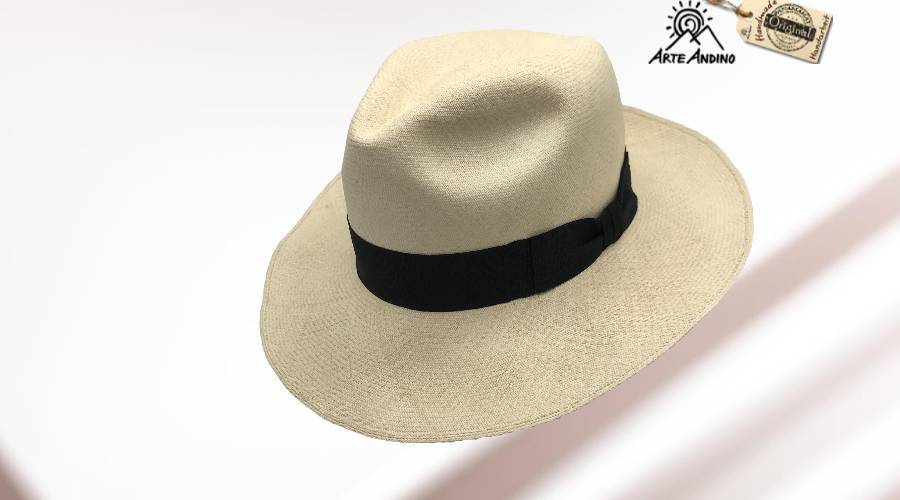
A hat for the true connoisseur – the famous original, the Panama hat and the false name?
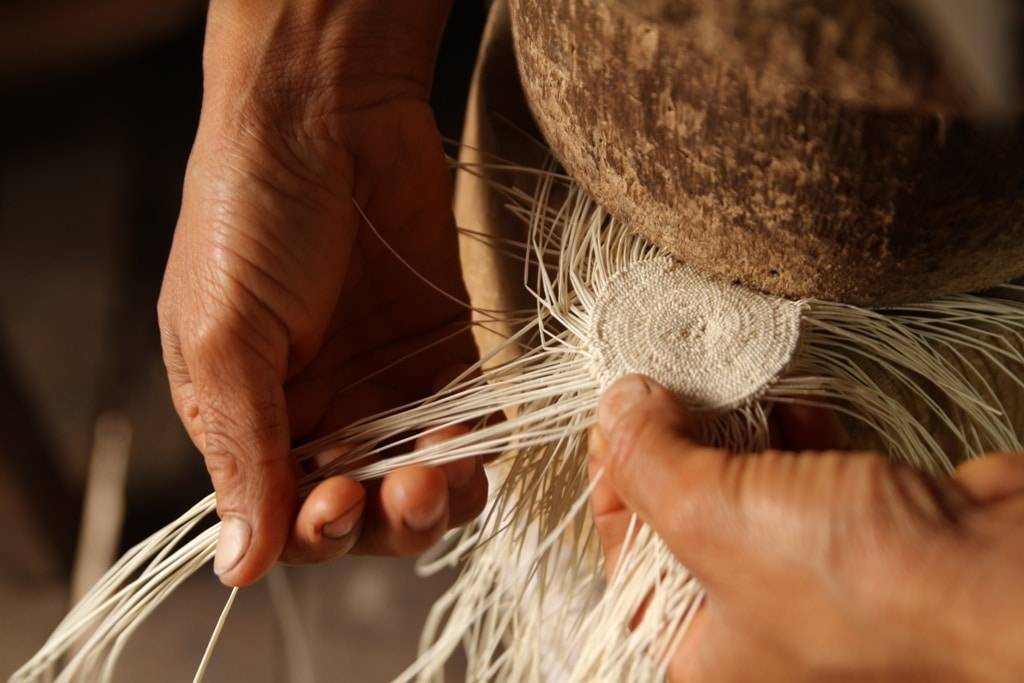
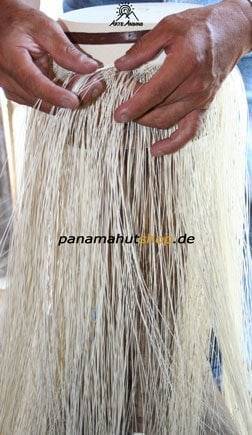
This elegant hat has been produced in Montecristi, Manabi Province, Ecuador , since 1630. A true marvel of dexterity, it is woven from the fine fibers of a special palm species called "Paja Toquilla."
Where does the Panama hat actually come from?
What's true is that, contrary to popular belief, Ecuador is the only true home of this airy, light, and supple headgear. It's made from the toquilla palm, which is endemic, meaning it only grows on the west coast of the Andean country. In the villages surrounding the small town of Montecristi, 200 kilometers north of the port city of Guayaquil, the world's most famous hats have been woven from the palm's fibers for more than 300 years.
The Panama hat became famous through its shipping to Europe, the 1880 World Exhibition in Paris and its sale to gold prospectors on their way to North America.
The name "Panama" comes from the construction of the Panama Canal. At that time, traders from Ecuador sold their hats in Panama, primarily to the canal workers. They wore the airy and light shade to help them endure the sweltering heat.
While visiting the construction of the Panama Canal in November 1906, American President Theodore Roosevelt adorned and protected his head with one of these hats. His photo went around the world, and the Panama hat became a symbol of modern and famous people. French Emperor Napoleon III wore one, as did politicians like Harry S. Truman, Winston Churchill, and Erich Honecker. For Atatürk, it was the symbol of the modern man. The writer Ernest Hemingway loved it, and the actor Paul Newman was rarely seen topless in the summer.
In Germany, the hat with the wrong name probably made its most prominent appearance on June 20, 2006. In the west stand at the Marathon Gate in Berlin's Olympic Stadium, a few thousand South Americans hoped for a miracle. It didn't happen. Schweinsteiger and his team won 3-0. What remained was the image of thousands of fans wearing light straw hats with wide brims and black ribbons: Ecuador's tourism minister had flown in 30,000 for the biggest media spectacle in the Andean country's sports history.
On November 29, 2011, the Ecuadorian Institute of Intellectual Property (IEPI) registered the name of origin " Panama Hat Montecristi " as a trademark. This means that only hats made of toquilla straw produced in the canton of Montecristi may be called "Panama Hat Montecristi."
With this, the Ecuadorian government aims to legally preserve a centuries-old tradition and a globally unique quality, while simultaneously protecting it from misuse of the name. Just as only sparkling wine produced and aged within the official borders of the Champagne region may be called Champagne.
We work with a state-authorized hat workshop. With certification from the Ecuadorian Institute of Intellectual Property (IEPI), we can guarantee that the hats from this workshop are genuine "Montecristi" Panama hats, as they were manufactured and finished in the Montecristi region.
 Panamahut Shop
 About us
 Contact
 FAQ
FAQ

 Men's hats
 Women's hats
 Montecristihüte
 Accessories
 Panamahut
 Magazine